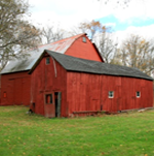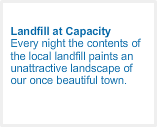
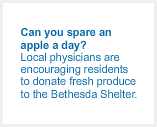

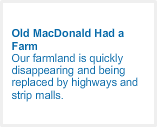

Click each image to reveal the text.
Use the present tense so that the reader will identify your description with something that
is happening today and not sometime in the past. This brings a sense of immediacy and impact.
Try to use language that is conversational and ‘real.’ Pretend you are telling a story to a
friend or family member.
Do not use phrases such as “in the picture” or “the photograph shows.” They are not needed
and prevent the reader from feeling and being a part of a photograph.
If possible, use a hook. Hooks are often based on humor, something surprising to the viewer,
and/or appeals to emotion that truly get a person’s attention. Whenever your words draw the viewer
into the story created by the photo, you increase the likelihood that the message will be remembered.
Provide a reason for the viewer to care about what you photographed. What is the challenge?
How would the community improve if the situation was recognized and addressed? How would it benefit
people in the community? How would it benefit people not in the community? This could be one of the
most important elements of the combined photo/caption story for a photovoice project. After all,
sparking action is what photovoice is all about!